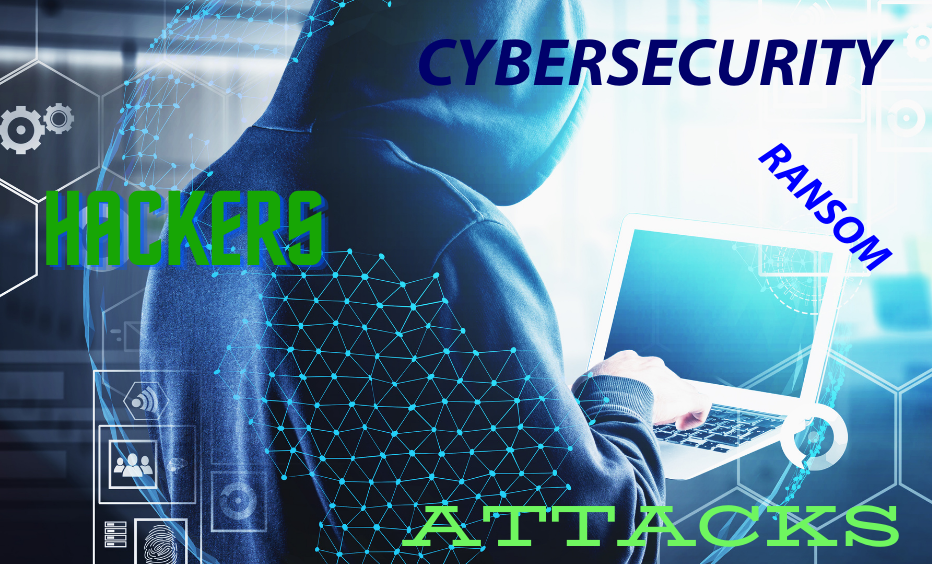
If 2021 is any indication of how the rest of the year will evolve, we all could be in trouble. Q1 2021 had a record of 713 published cybercrime events, which is an average of 8 hacks per day. March 2021 had 276 known hacks of large scale, which is a dramatic increase from 187 in March of 2020 and 145 in March of 2019. Experts warn that this could be just the beginning and expect that ransom victim’s payout to these hackers could skyrocket, causing even more advanced attacks. Hackers are expected to use the ransom funds acquired from smaller businesses to fund even larger ransom attacks. While there is currently no law against paying these ransoms, some government officials have started to classify this as terrorism in a modern time.
Data indicated that most ransomware victims eventually end up paying. However, payment of the ransom does not guarantee the recovery of your data or ensure that the data you are able to regain from the cybercriminals will be free of all infectious malware. Experts report that 4 out of 5 victims that pay the ransom will end up being the victim of a second attack.
In a new report by WhiteHat Security, they found that the average time to fix critical cybersecurity vulnerabilities is now up to 205 days as of May 2021, which has increased from 197 days in April 2021. WhiteHat Security’s report also indicates that most of the vulnerabilities found would require little effort or skill to discover and exploit by cybercriminals. You might not realize the impact that these hacks could have on your everyday life until it happens. Hacks such as the Colonial Pipeline and the JBS meat producers attack have a widespread impact on everyone, not just the business owners themselves. Hacks such as the Colonial Pipeline attack cause shortages on everyday items and create panic in consumers.
What does all of this mean for you, you ask? Stopping cyberattacks such as these may not be easy but with a few simple steps from you and your employees, you could definitely make it much harder for hackers to get into your network.
Start taking these precautions today:
- Strong Passwords: Make sure that you have very strong passwords that are different for every site that you log in to. Using a password manager such as LastPass can help improve your password strength and uniqueness by generating and storing all of your unique 12–16-character passwords in one secure place.
- Use MFA: MFA=multi-factor authentication across all programs, software, and platforms when available.
- Patching: Secure all programs, operating systems, and devices that have an option to connect to the internet.
For a complete list of our current protections, download our “Core Requirements for Cybersecurity Protections in 2021” guide here.
Author: Stephanie Reilly – Turn Key Solutions, LLC 2021