 Imagine this: A single stolen laptop containing patient records could cost your organization millions in fines, lawsuits, and lost trust. Now imagine that same incident making headlines and your patients questioning whether their most private health information is safe with you.
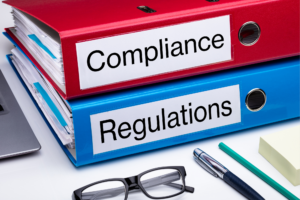
The truth is that compliance isn’t just a legal requirement anymore; it’s a business differentiator. In 2026, healthcare organizations that treat cybersecurity as a strategic advantage will win patient trust, avoid costly breaches, and stay ahead of regulators.
The good news? Compliance doesn’t have to be overwhelming. This guide provides a practical cybersecurity compliance checklist, designed for healthcare professionals who want clarity, confidence, and actionable steps.
Why 2026 Is a Turning Point for Healthcare Cybersecurity
HIPAA has been around for decades, but enforcement is intensifying. Regulators now expect continuous compliance, not a one-time checklist. Add to that the rise of ransomware targeting hospitals, connected medical devices, and telehealth platforms, and the stakes have never been higher.
What’s new in 2026?
- OCR Audits Are Increasing: The Office for Civil Rights is focusing on risk assessments and breach response documentation.
- HITECH Enforcement: Penalties for non-compliance with encryption and breach notification rules are climbing.
- State Breach Laws: Louisiana, for example, requires disclosure within 60 days, and failure can mean lawsuits and reputational damage.
- Medical Device Security: FDA guidelines now emphasize cybersecurity for connected devices, a blind spot for many organizations.
Many healthcare leaders assume HIPAA compliance alone is enough. It’s not. HIPAA is the baseline, not the finish line.
Cybersecurity Compliance Checklist for Healthcare
Here’s what your organization needs to do to stay compliant and secure:
- Conduct a Risk Assessment & Maintain a Written Security Plan
- Perform annual risk assessments to identify vulnerabilities in systems handling PHI.
- Document policies for data handling, encryption, and access control.
- Include procedures for responding to breaches and vendor oversight.
Example: A radiology center discovered during a risk assessment that its image-sharing portal lacked MFA. Fixing this prevented a potential HIPAA violation and a ransomware attack.
- Enforce Multi-Factor Authentication (MFA)
- Require MFA for all remote access and privileged accounts.
- Extend MFA to EHR systems, email, and cloud-based healthcare applications.
- HIPAA Security Rule strongly supports MFA as a safeguard (don’t skip this step).
MFA isn’t just for IT staff. Your billing team and anyone accessing PHI remotely need it too.
- Encrypt Sensitive Data
- Encrypt PHI at rest and in transit using industry-standard protocols.
- Verify encryption meets HIPAA and HITECH requirements.
- Include secure disposal practices for retired hardware and medical devices.
Example: A pharmacy encrypted its prescription database and avoided a $250,000 fine after a stolen server incident.
- Train Employees Regularly
- Implement phishing awareness programs tailored for healthcare staff.
- Train staff on handling PHI and breach response.
- Document training sessions for compliance audits.
Your front desk staff is your first line of defense. A single click on a phishing email can compromise thousands of patient records.
- Manage Vendor Risk
- Require vendors to sign Business Associate Agreements (BAAs).
- Review vendor compliance annually.
- Ensure third-party access is monitored and controlled.
Example: A lab avoided a breach by requiring its courier service to implement encryption on mobile devices.
- Develop & Test an Incident Response Plan
- Define breach notification procedures aligned with HIPAA and state law.
- Test response plans with tabletop exercises.
- Assign clear roles for IT, compliance, and communications teams.
A breach isn’t the time to figure out who calls patients. Have that plan ready and tested.
- Implement Continuous Monitoring
- Deploy endpoint detection and response (EDR) tools.
- Monitor for unauthorized access and anomalies in EHR systems.
- Keep audit logs for compliance verification.
Louisiana-Specific Compliance Requirements
Louisiana’s Data Breach Security Act requires healthcare organizations to notify affected individuals within 60 days of a breach. Failure to comply can result in penalties and lawsuits.
Key points:
- Notifications must include details of the breach and steps taken.
- If more than 1,000 residents are affected, you must notify consumer reporting agencies.
- Maintain documentation of breach response for at least five years.
Practical Tips for Healthcare Organizations
- Leverage Microsoft 365 Security Features: Enable MFA, conditional access, and data loss prevention for healthcare workflows.
- Partner with a Managed Service Provider (MSP): MSPs can handle compliance audits, monitoring, and incident response.
- Schedule Quarterly Security Reviews: Compliance isn’t a one-time task; make it part of your operational rhythm.
Compliance Is Your Competitive Advantage
Cybersecurity compliance isn’t just about avoiding fines; it’s about building trust and resilience. By following this checklist, healthcare organizations can stay ahead of emerging threats and regulatory changes in 2026.
Ready to simplify compliance?
We can help you implement these best practices and protect your patients’ data.