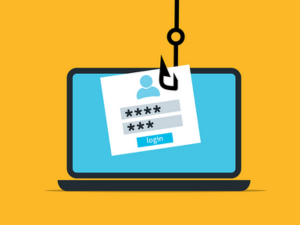
 Scammers will use anything to target businesses, including tax forms. A new phishing campaign is spreading a malicious program disguised as documents from the IRS. With the tax season in full swing soon, business owners must take extra precautions to protect sensitive company data.
Emotet Phishing Campaign Targets Taxpayers
Emotet is one of the most widespread malware programs in recent years. The latest emotet phishing campaign targets taxpayers. It impersonates the IRS and other private organizations, sending emails containing phony Form W-9 attachments.
When someone falls for the scam and installs the emotet on their computer, the malware will steal data and take control of their email. It will send spam emails using the target’s account to spread other malicious programs.
Obvious Emotet Phishing Signs to Look Out For
The Emotet phishing emails may seem legitimate, but some telltale signs give them away. The malicious emails have an attached Zip file. It contains a Word document that is supposedly the Form W-9. But you can tell it is fake because it is over 500 megabytes. No ordinary Word document is ever that big.
In addition, Microsoft has disabled macros from operating on the system. A security warning will appear when a user tries to open a malicious Word document, saying it contains blocked macros. That is the ultimate warning sign of a phishing scam, so don’t enable the content.
Emotet is trying to circumvent Microsoft’s solution by sending OneNote files instead. When a user opens the attachment, it will say the document is protected and that they must click the “View” button. Once they do, it will cause the embedded VBScript to run. OneNote will display a warning about the potentially malicious script, but inattentive users will launch it anyway.
It is essential to note that legitimate tax documents are usually in PDF form. Be cautious about opening Word, OneNote, and other file types from dubious sources.
How to Minimize Your Risks
The Emotet phishing campaign can have disastrous outcomes for companies. But you can minimize risk by knowing the warning signs. The same goes for other malicious schemes. If business owners and employees learn about these techniques, they can prevent data loss and stop the spread of malware.