 Recently, there was a rise in cybercrimes related to the closing of Silicon Valley Bank (SVB). Threat actors go after businesses and sometimes use them in their illegal activities.
SVB was the 16th largest bank in the U.S. The bank worked with tech giants like Buzzfeed, Roblox, and Roku. However, global inflation and a deposit run caused regulators to close the bank on Friday, March 10, 2023.
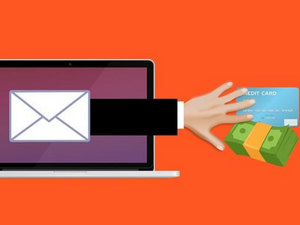
Hackers are using SVB-related content to manipulate people’s emotions. Analysts are finding more phishing attacks connected to the SVB closure, and new threats appear daily.
How Hackers Set Up SVB-related Attacks
Cybercriminals started buying fake SVB domains shortly after SVB closed. This is how they set up their SVB-related attacks. The attackers then made and tested phishing flows before starting their campaigns.
More than 62 new domains were set up for SVB-related attacks, and there were 200 phishing scams, most of which targeted businesses in the U.S.
The Public Response Helped Hackers
Unfortunately, the public’s response to the SVB crisis may have been unwittingly aiding cybercriminals. Attackers used websites that listed affected SVB customers to find targets.
Also, emails from companies switching to new banks can look like phishing emails, which can cause confusion and make the risks higher.
Getting Ready for the Wave of SVB Fraud
To counter SVB-related attacks and protect your business, you should:
1. Raise employee awareness about phishing and cyber threats.
2. Provide regular security training.
3. Implement email security solutions with anti-phishing features.
4. Use multi-factor authentication.
5. Keep software updated to prevent vulnerabilities.
6. Encourage strong, unique passwords and start using password managers.
7. Monitor the company’s online presence for fake domains or websites.
8. Develop and maintain an incident response plan.
9. Periodically review and update security processes.
10. Collaborate with cybersecurity experts for audits and vulnerability assessments.
The recent failure of SVB has given cybercriminals a chance to take advantage of businesses and individuals. To protect yourself from SVB-related attacks and other cyber threats, you need to put cybersecurity at the top of your list of priorities.
You can shield your company from these attacks by being proactive, improving security infrastructure, and using your resources wisely.